038: the devotion to consumption continuum
once upon a time, someone was obsessed and without access. stay with me.
i lived in this first stage longer than i’ve lived anywhere else.
the devotion to consumption continuum usually starts quietly with those who eat, breathe, sleep art and culture. they watch movies over and over, pause scenes, screenshot outfits, read interviews, and know names and silhouettes before they know prices. they eat, breathe, sleep art and culture. they curate moodboards straight from the heart and share them in digital spaces, not because they want to sell anything, not because they’re trying to influence purchases, but because they genuinely love what they’re seeing. there is no intent to buy. there is only attention, curiosity, and devotion. this is where culture is actually born.
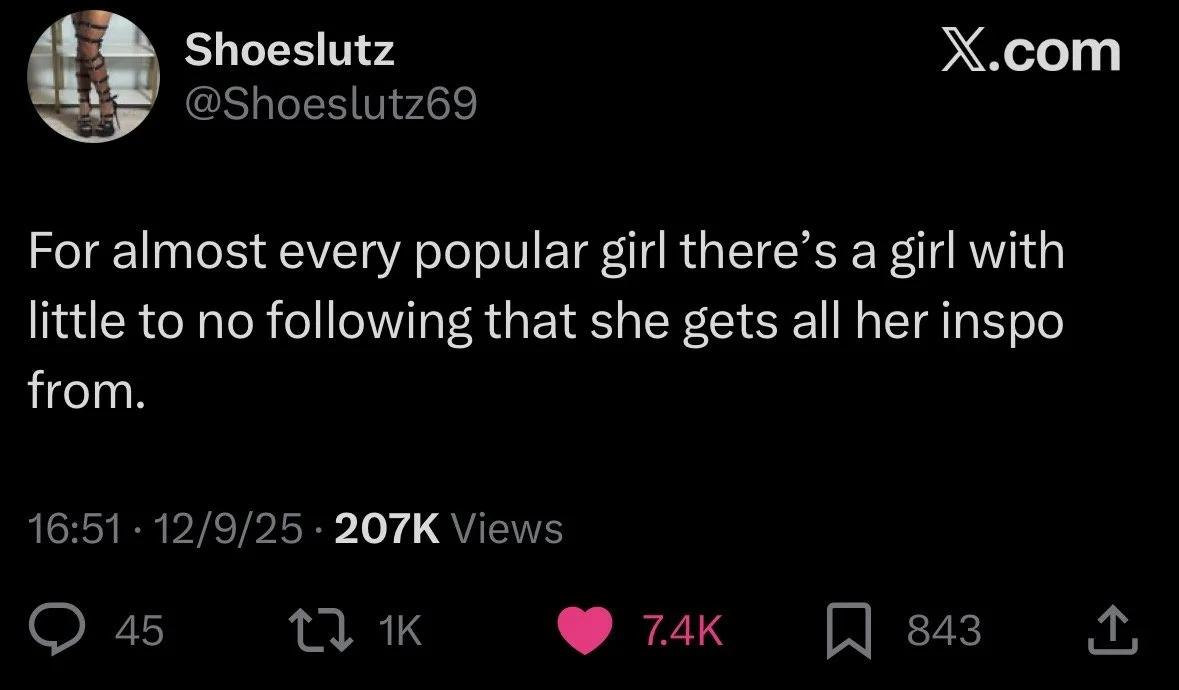
then eventually someone notices. someone who can afford to buy into the thing. suddenly, what these kids have been quietly building starts to look like wealth. it looks like exclusivity. it looks niche, secret, hard to access. but the irony is that the people who made it feel that way often can’t afford to participate materially at all. it’s not that poverty breeds taste. it’s that consumerism isn’t always the point. they created the mood, the language, the atmosphere, without ever expecting ownership. and the “thing” hasn’t changed yet, it’s just been seen.
after that comes translation. companies step in and give the feeling a name. they package it. they flatten it into something legible and marketable. it becomes an aesthetic, a “core,” a starter kit. this is how something that was once intuitive becomes instructional. not invented by brands, but reorganized for consumption. love turns into a product category.
for example. some girl fell in love with all things coquette, french theater, rococo, and 17th and 18th century womanhood. she began to curate images that she found in articles, internet archives, and the like. she saw herself in a woman named marie antoinette who lived and died hundreds of years ago and although on the surface, one might not understand how they relate, marie kind of serves as a hyperbolic mirror of a girl misunderstood. before you know it, there’s a step by step buying guide. bows, lace, corsets, all the things. this happens not only with “cores” but brands as well. the row, rick owens, ann demuelemeester, galliano, cavalli, ruffo research, i could go on.
are you following?
this is usually the part people pretend not to notice.
the thing starts circulating faster. a new group enters. people who don’t necessarily care about the references or the history or the emotional weight. they aren’t bad people, they’re just participating rather than loving. participating because a trend has now emerged. the object or style begins to move without feeling attached to it. it becomes louder, more visible, more detached.
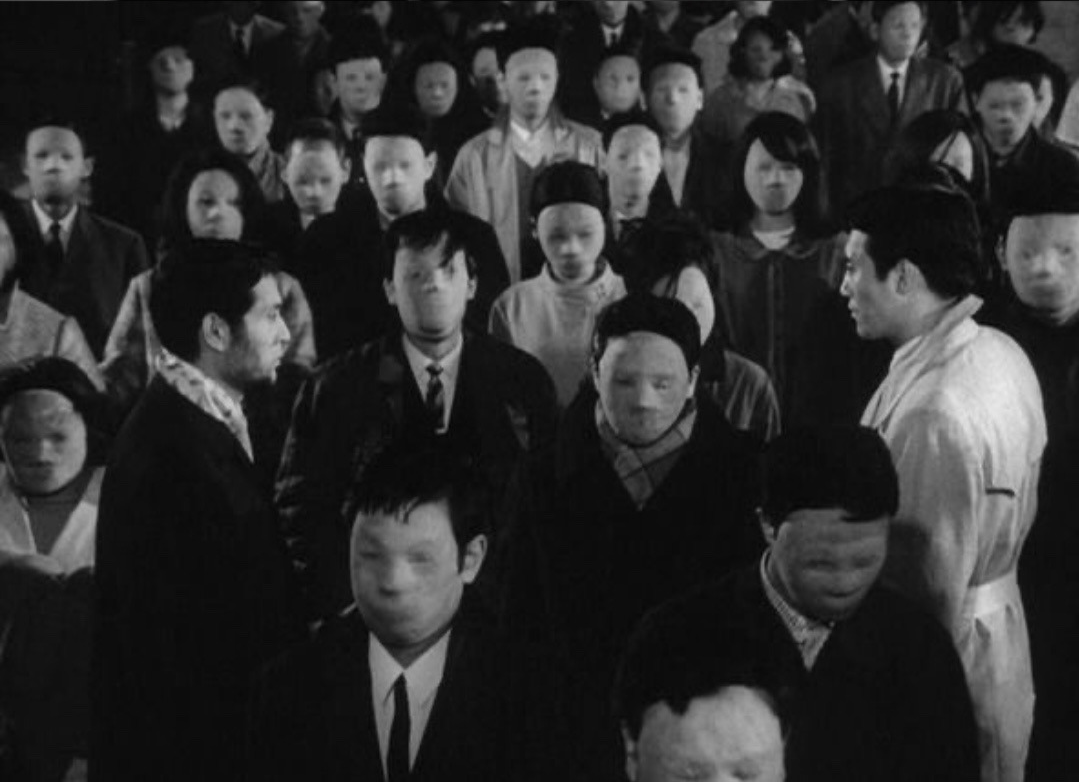
before you know it, the thing is no longer about devotion at all. it’s an indicator of taste. an indicator of wealth. an indicator of status. what once lived in private digital folders and niche communities is now something you’re supposed to recognize, perform, and display. and once something becomes a signal, it’s already halfway to being emptied out. eventually, inevitably, it shows up everywhere. it’s diluted and it’s flattened. it’s available on fast-fashion sites. the thing that once felt intimate and almost sacred now feels disposable. and people forget that it ever came from anywhere real. shein has probably duped it out. you can probably find the “thing” on tiktok shop. and the wealthy must find new ways to draw a line in the sand. this isn’t villain behavior, it’s pattern behavior. once something has become widely attainable, once people are fluent in this new taste, money, class indicator, they want to confuse you again.
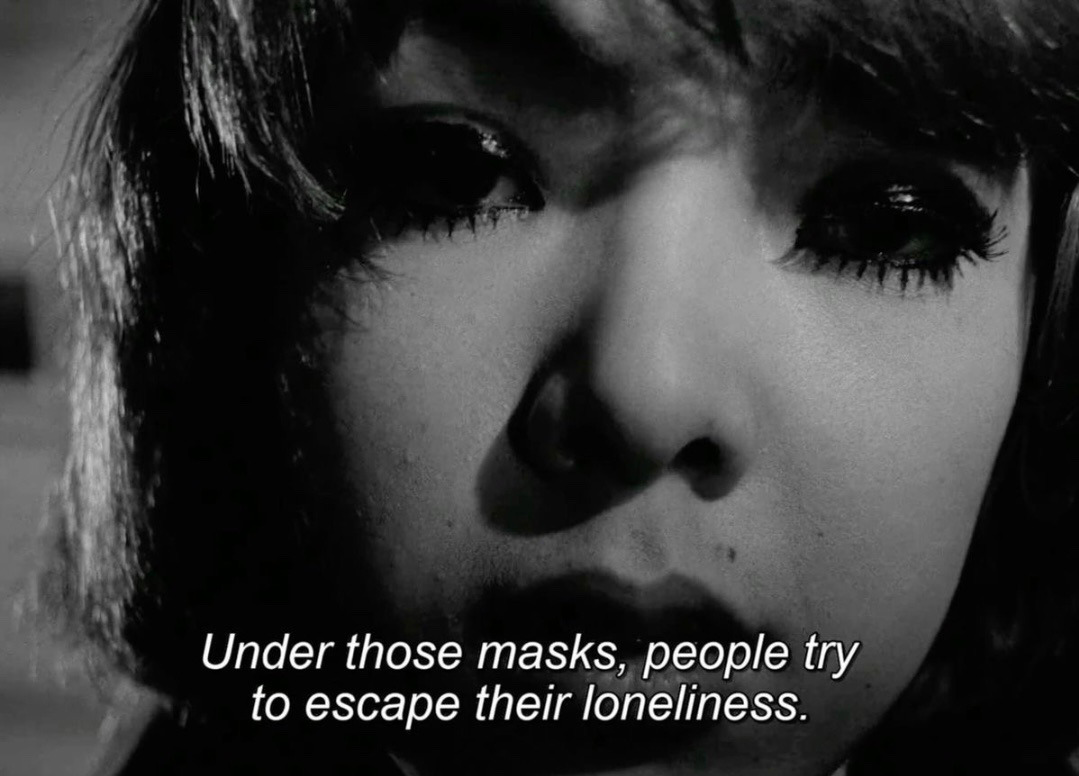
so obviously the cycle doesn’t end there. because while everyone is busy buying the diluted version, there are already new kids starting over. watching. studying. saving images. curating moodboards. loving things they may never touch. engaging without buying. building taste without permission. and the vultures begin to vulture again. culture always loops back to devotion. it always starts again and again with people who love things without trying to convince anyone else to buy them.
this stage matters more than people think. it’s my favorite part.
xoxo, vc <3
